The Studio Sample Album That Sells
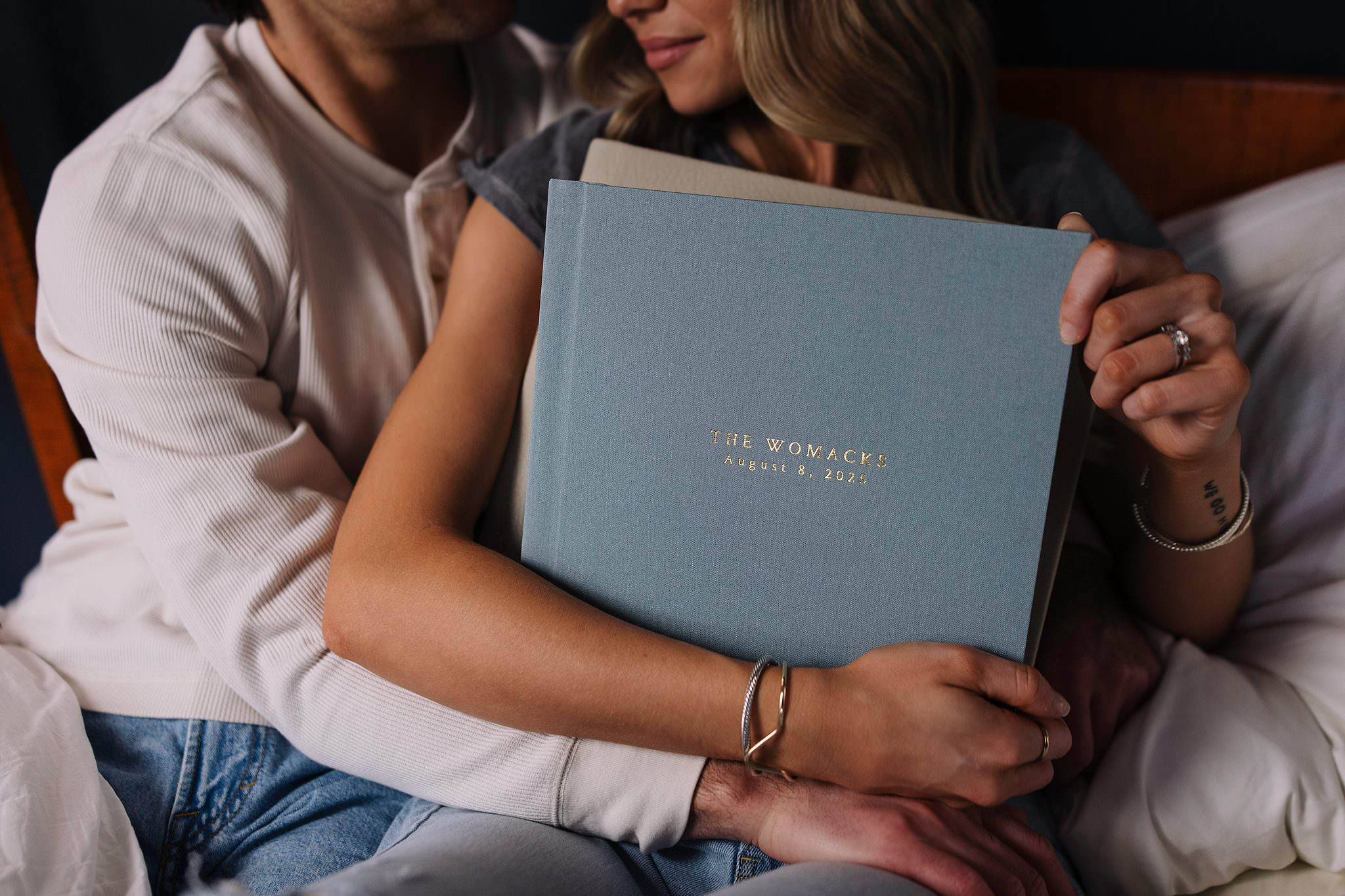
Ask any studio that sells albums well what does the heavy lifting, and the answer is almost always the same: a single, beautiful sample. It is the one tool that turns an abstract product into something a client can hold, open, and fall for. A price sheet describes an album. A sample sells it. This guide walks you through building a sample album that earns its place on your studio table and pays for itself many times over.
Key takeaways
- A sample lets clients feel the product in a way a screen never can.
- Show your strongest work and a range of spread styles, not every image.
- One polished album in your target size does most of the work for you.
Why a sample outsells a price sheet
Most clients cannot picture an album from a description. They love their images, but a folder of files and a list of sizes leaves them guessing. A sample removes the guesswork. The weight of a real album, the way a layflat spread opens flat across the center, the texture of a linen or leather cover, none of it lands on a screen. Once a client has felt it, the album stops being an add on and starts being the thing they came for.
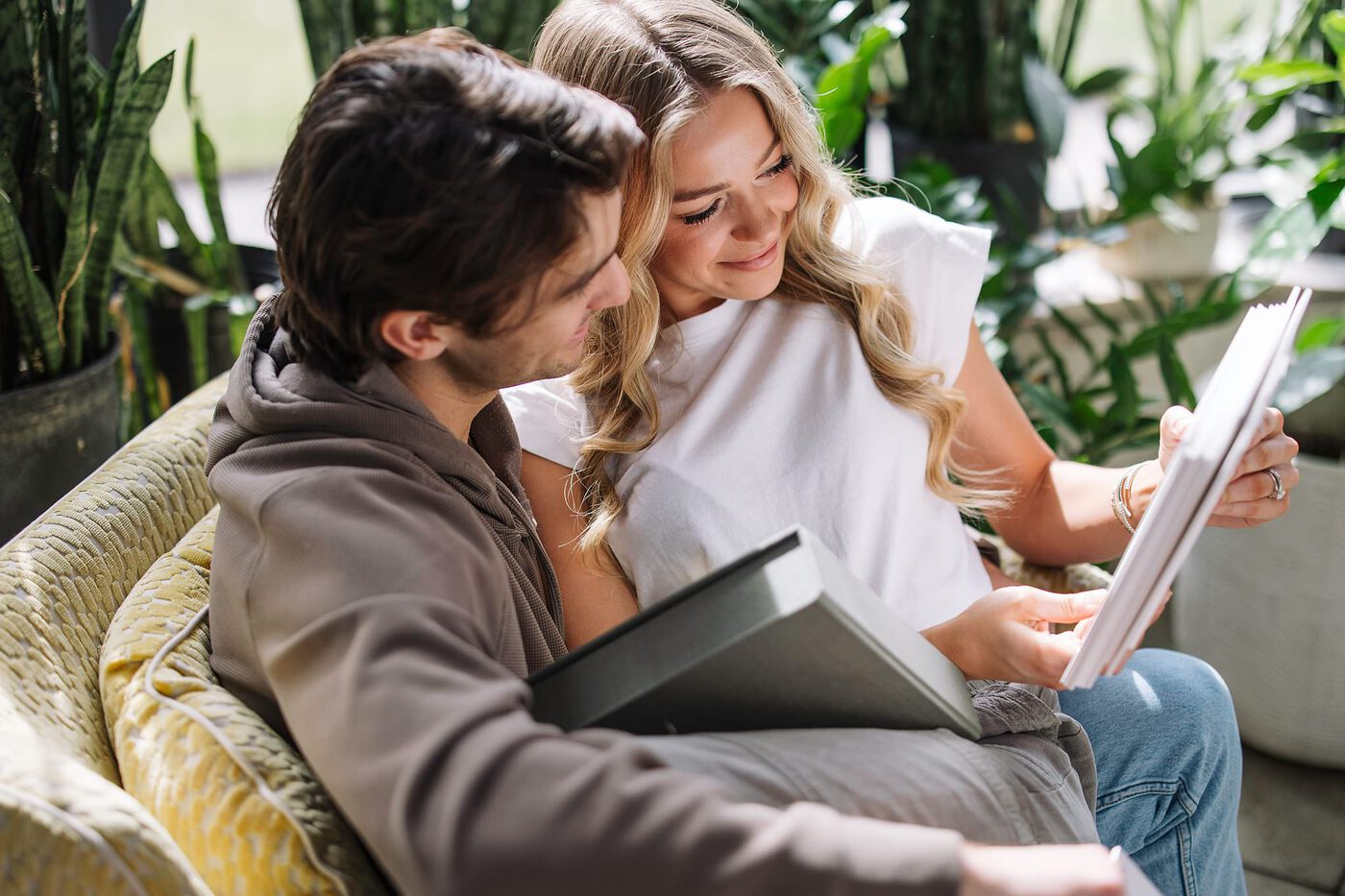
A client cannot fall in love with a file. Put a finished album in their hands and the sale makes itself.
Build your sample in five steps
A sample that sells is built on purpose, not assembled from leftovers. Walk through these five steps once and you will have a tool you use at every session.
Choose your target size
Build the sample in the size you most want to sell. Clients anchor to what they hold, so make the default the size that serves your studio.
Curate one strong story
Pick a single session that shows your range. A sample is a highlight reel of your best work, not a complete gallery.
Design for variety
Mix full bleed spreads, quiet detail pages, and multi image layouts so clients see everything an album can do.
Choose a cover that feels premium
Linen, leather, or a debossed name turns a book into an heirloom. The cover is the first thing a client touches.
Keep it within reach
Bring the sample to every session and leave it on your studio table between them. A sample only sells when it is seen.
Choose the size and the cover
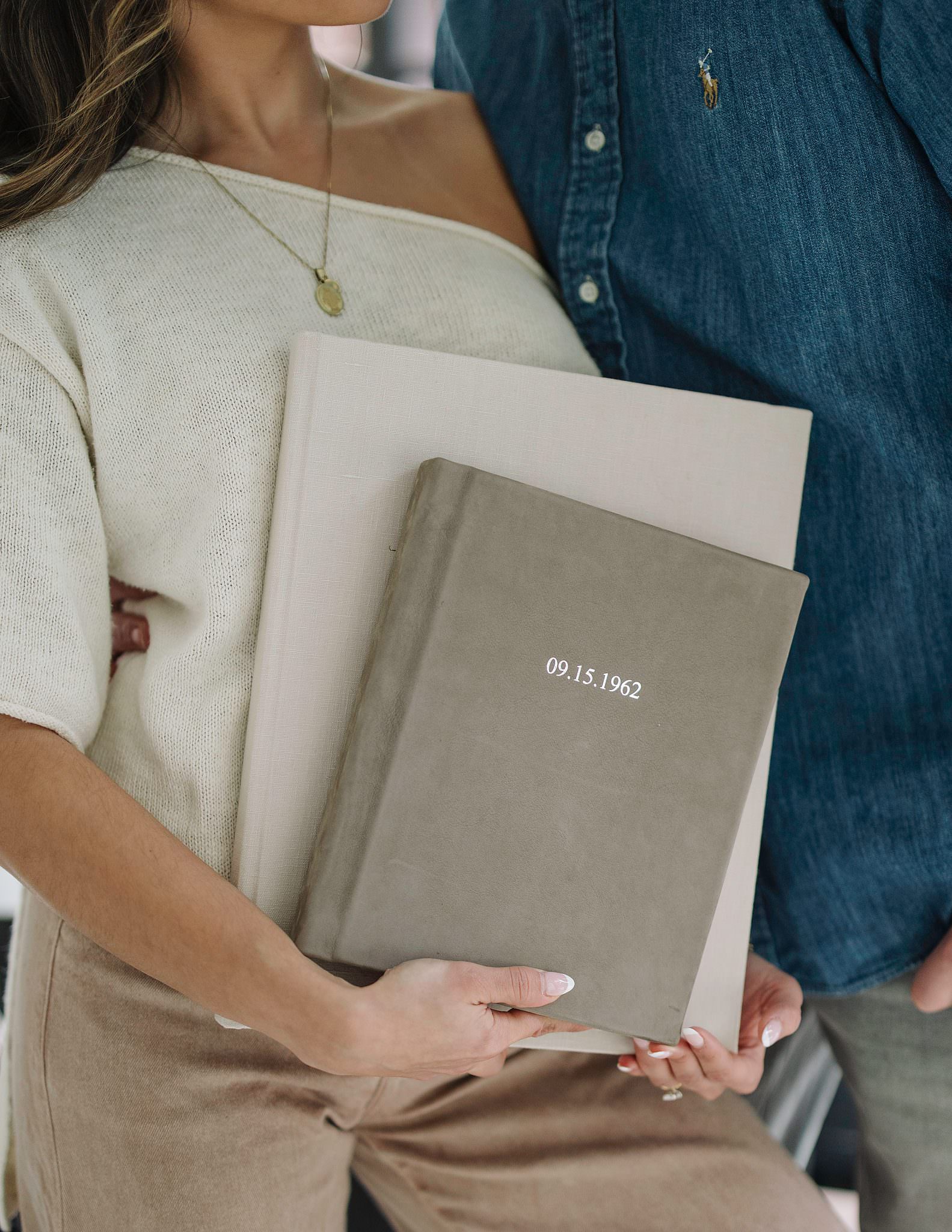
The cover is where a sample earns its premium feel. A linen weave, full grain leather, or a name debossed into the front cover signals quality before a single page turns. Give clients something real to compare by keeping a set of cover materials beside the sample, and let the finish do the talking.
Put your sample to work
A sample is only an investment until you use it. Lead with it at every ordering session, before you ever talk about price, and let the client turn the pages. For more on running that session, see our starter playbook for in person sales. And once you know what your sample costs to produce, our guide to pricing wedding albums for profit makes sure every album you sell from it carries real margin.
Build one sample with intention, keep it close, and it will quietly become the best closer in your studio. If design time is the holdup, an album design service can turn your selects into a finished proof in about a day, so your sample is ready before your next session.
Ready to build a sample that sells itself?