In Person Sales for Photographers: A Starter Playbook
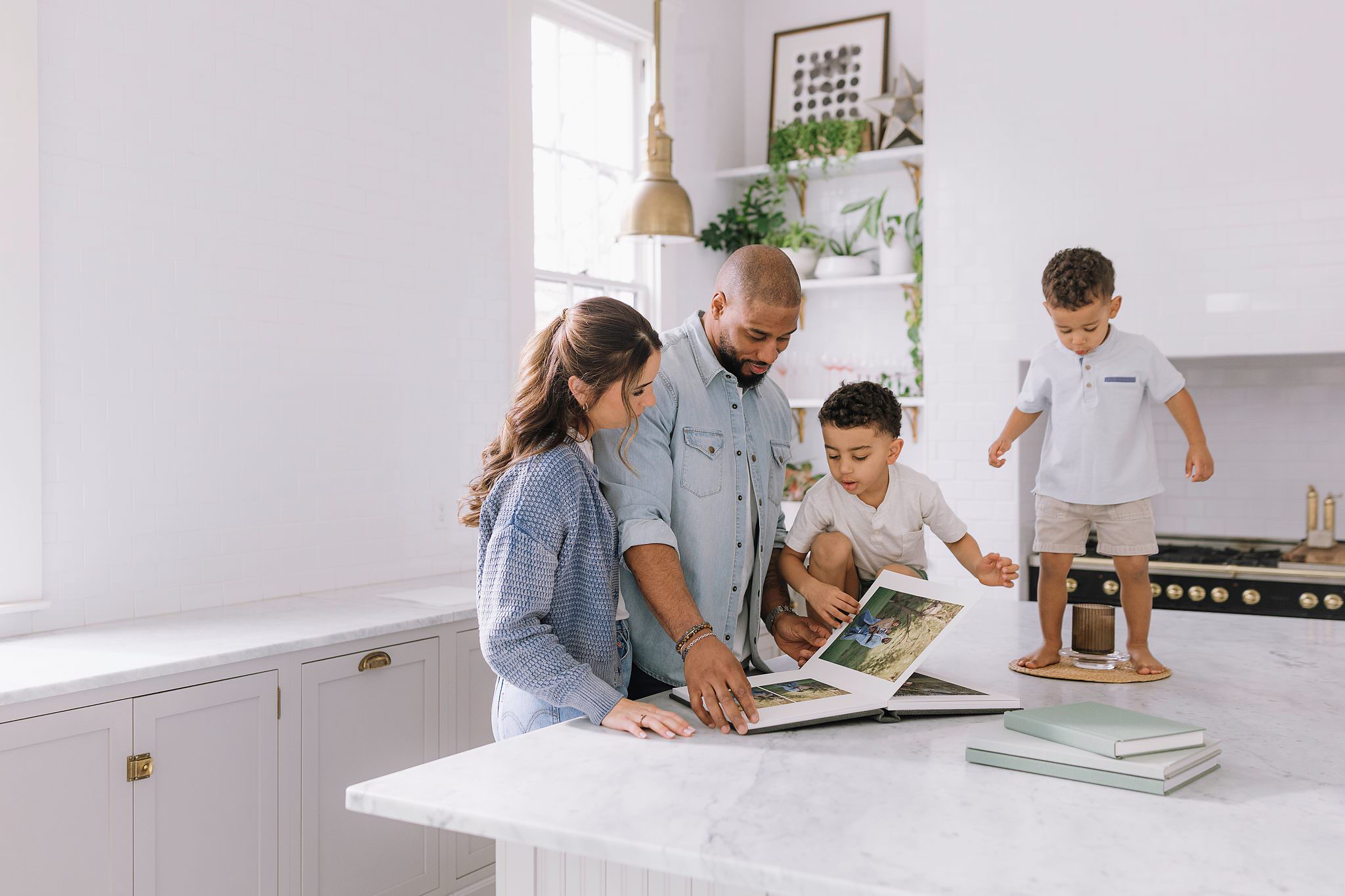
In person sales, often shortened to IPS, is the difference between a client who downloads a gallery and forgets it and a client who walks away with an album, prints for the wall, and a reason to refer you. It is also where most print revenue is won or lost. This starter playbook walks you through running an ordering session with confidence, from the prep work to the close, so selling becomes a natural extension of the experience you already give.
What in person sales means and why it works
In person sales means guiding your client through choosing and ordering their products together, in a dedicated session, rather than sending a gallery link and hoping they buy. It works for a simple reason. Most people will not build an album on their own. They love their images, but turning a folder of files into a finished product is work, and life gets in the way. When you sit with them and make it easy, the album that would never have happened becomes the centerpiece of their order. You also get to show, in person, the difference between a screen and a printed page, and that difference sells itself.
The mindset shift: sell an experience, not files
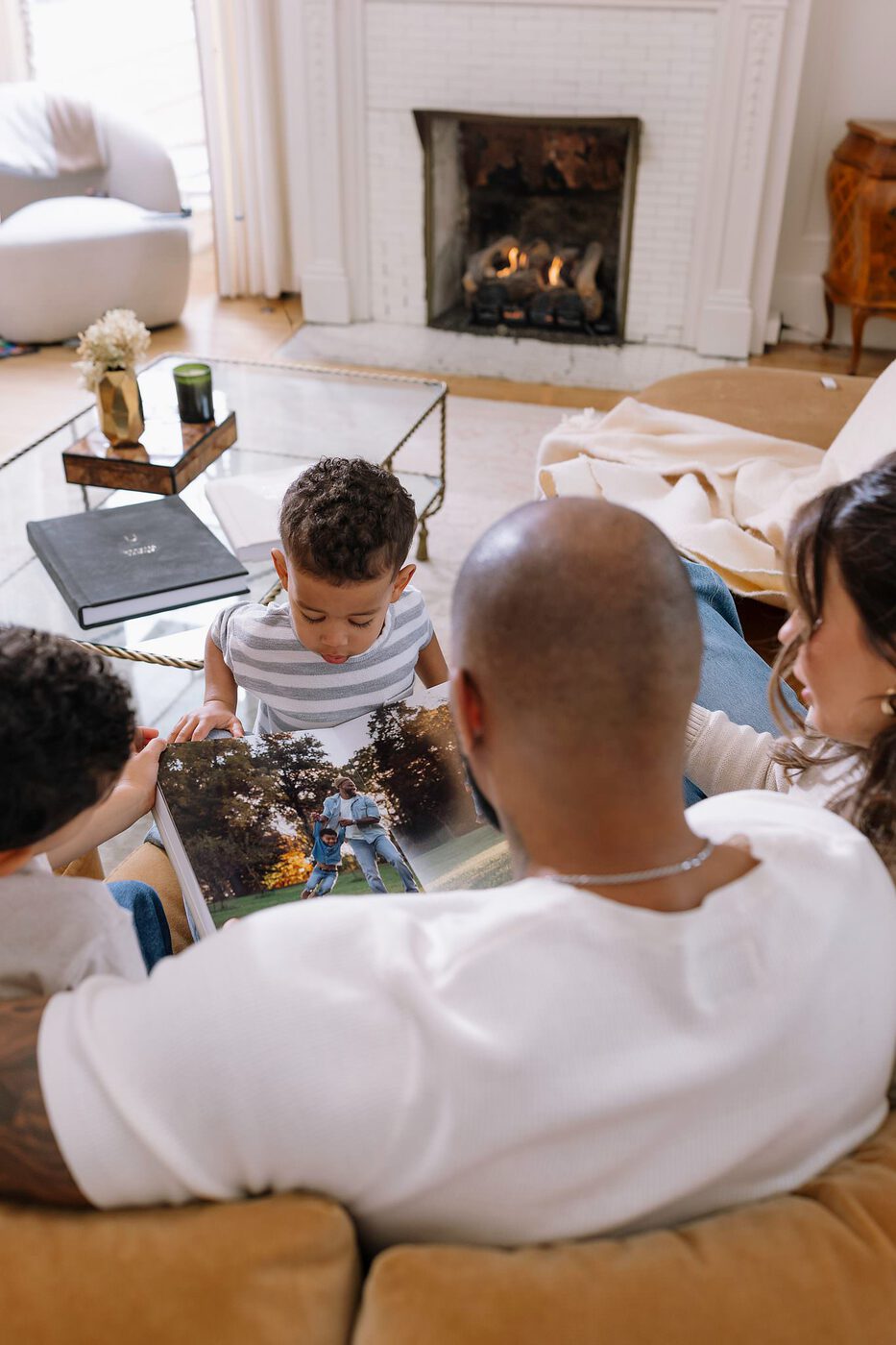
Studios that struggle with sales usually picture themselves as selling digital files, with products as an afterthought. Studios that thrive flip that. They sell an experience that ends in something the client can hold, and the files simply come along with it. This is not about pressure. It is about belief. When you genuinely believe a family deserves their story in print, guiding them toward it feels like service rather than selling.
Sell an experience that ends in something the client can hold, and the files simply come along with it.
The fastest way to build that belief is to live it. Make albums of your own family and keep them in your home. The stories you tell from your own coffee table will do more than any sales script ever could.
Before the session: prep your samples and pricing
A great ordering session is won before the client ever arrives. Three things matter most.
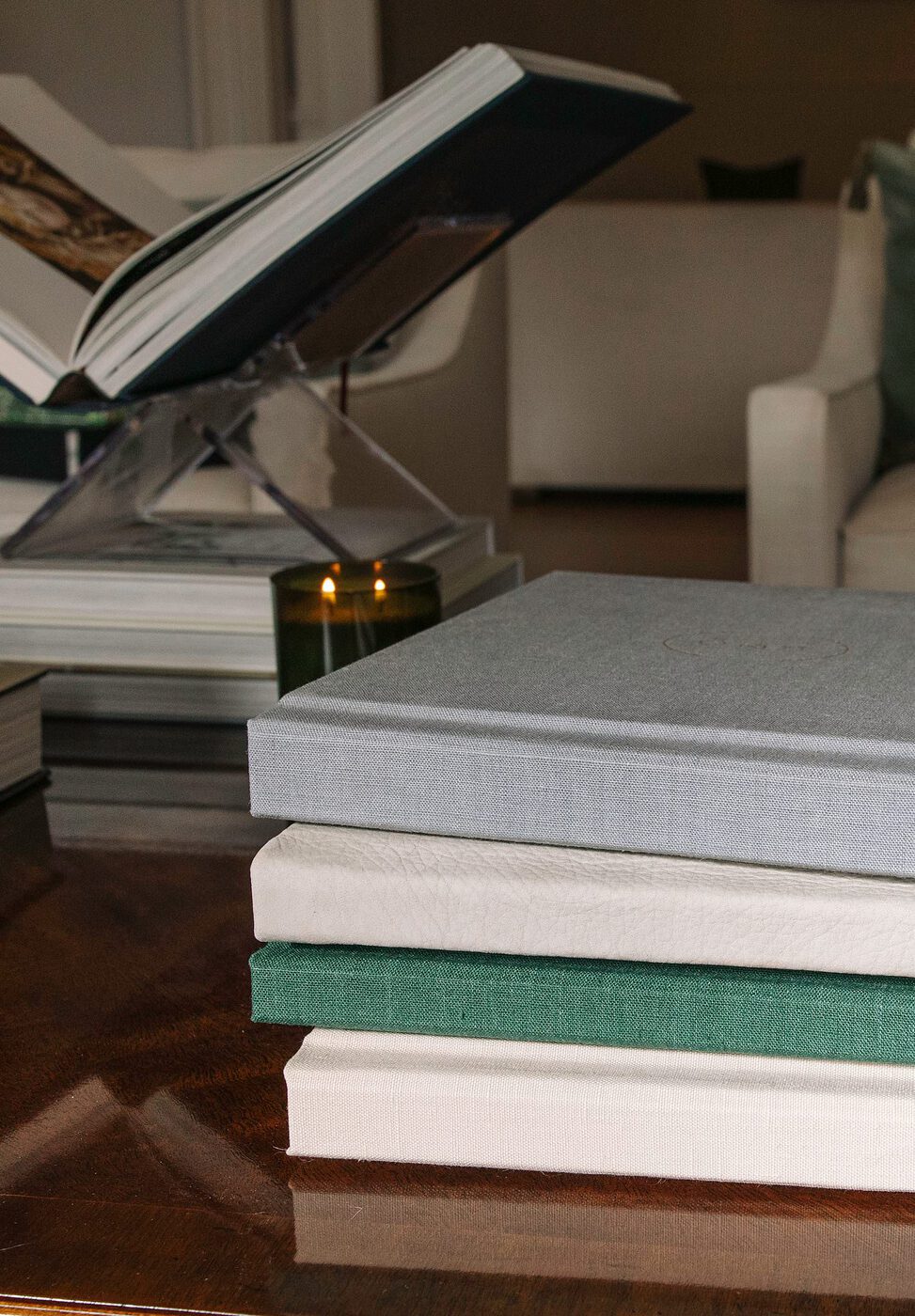
First, have your samples ready and beautiful. Bring a full size album in the size you most want to sell, a set of cover materials, and a matted print or two so the client can feel the weight and finish. A strong sample does most of the selling.
Second, know your pricing cold. Hesitation around numbers reads as uncertainty about value. When your prices are set and printed, you can quote without flinching. If your pricing is not locked in yet, start with our guide to pricing wedding albums for profit.
Third, pre design a layout when you can. Walking in with a first draft album already built removes the blank page and lets the client react to something real. An album design service can turn your selects into a proof in about a day so the draft is ready before the meeting.
Running the ordering session
With the prep done, the session itself follows a simple rhythm.
Set the room
Meet somewhere calm and free of distraction, whether that is your studio or a tidy corner of their home. Offer a drink, slow down, and treat it as an occasion. The mood you set becomes the mood of the buying decision.
Lead with the sample album
Put the full size sample in their hands early, before you talk about price. Let them turn the pages. The weight of a real album, the way a layflat spread opens across the center, the texture of the cover, none of that comes through on a screen. Once they have felt it, the album stops being abstract and starts being theirs.
The three option rule
Confusion kills sales. Rather than presenting fifteen cover materials, four sizes, and a dozen upgrades, narrow the field to three clear choices and guide them through it. Three sizes, or three collections, is enough to feel in control without feeling lost. If you confuse a client, you lose the sale, so simplify on their behalf.
Design live
If you can, build or refine the album in front of them. Drop in the images they react to most. Watching their own story take shape on the page creates a momentum that a price sheet never will. This is also where larger sizes and parent copies sell themselves, because the client is already emotionally invested.
Handling price questions
Price questions are not rejections. They are requests for reassurance that the product is worth it. Answer by returning to value, not by apologizing. Remind them what the album is: an heirloom, printed on archival materials, built to outlast every hard drive they will ever own. If budget is genuinely tight, offer a smaller size or an entry collection rather than discounting your flagship into the ground. A calm, confident answer does far more than a markdown.
Create gentle urgency
Excitement fades fast once a client leaves the room. A little urgency, offered kindly, helps them act while the feeling is fresh. A session only ordering incentive, a short window to lock in a bonus parent copy, or simply designing and ordering in the same sitting all keep momentum. The goal is never pressure. It is to help an excited client finish a decision they already want to make.
Mistakes that quietly kill sales
A handful of habits cost studios the most.
Sending the full gallery before the ordering session, which lets clients quietly decide to buy nothing.
Offering too many choices, which freezes the decision.
Apologizing for your prices, which teaches the client to doubt them.
Skipping the sample, which leaves the product abstract.
Forgetting to follow up, since a warm reminder often turns a maybe into an order.
Avoid these five and your close rate climbs on its own.
Your ordering session checklist
Before your next session, make sure you have:
A full size sample album in your target size
A set of cover material swatches
One or two matted prints to show finish
Printed, finalized pricing
A pre designed first draft album
A simple way to order and take payment on the spot
With those in hand, you are ready to turn a gallery into a sale your client will thank you for.
In person sales is a skill, and like any skill it gets easier every time you do it. Start with one session, lead with a beautiful sample, keep the choices simple, and let the work speak.
Want a hand getting set up?